


Color Roof Sealant
Current Price:
$69.95
Weather-Proof Roof Protection in Nine Colors (Including Clear)
Liquid Rubber Color Roof Sealant is a UV stable, water-based, flexible, premium acrylic hybrid coating. It's designed to seal and protect flat, low-slope, and metal roofs from water damage while maintaining or enhancing the appearance of your surface.
If you want color options (including clear/transparent) along with the reliable waterproofing all Liquid Rubber products offer, this is the right choice. This product allows you to protect your roof without changing its look, or sacrificing your home’s aesthetic.
This flexible membrane moves with your roof as temperatures change, helping prevent cracking, leaks, and long-term damage from sun, rain, and snow. VOC and toxin free, it’s safe to apply around your home while delivering professional-grade, durable protection.
Read the full Application Guideline for details on primers, prep, and more. This product is not suitable for high-traffic areas such as walkways, patios, or decks.

Find your Roof products below and add to cart!






 Application Guideline
Flat/ Low Slope Roof
Detailed steps to complete your project.
Application Guideline
Flat/ Low Slope Roof
Detailed steps to complete your project. Application Guideline
Interior Basement
Detailed steps to complete your project.
Application Guideline
Interior Basement
Detailed steps to complete your project.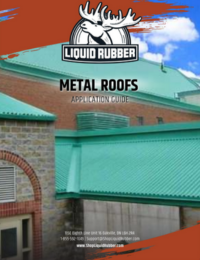 Application Guide
Metal Roof
Detailed steps to complete your project.
Application Guide
Metal Roof
Detailed steps to complete your project. Safety Data Sheet
Color Sealant
Stay informed and safe throughout your project.
Safety Data Sheet
Color Sealant
Stay informed and safe throughout your project.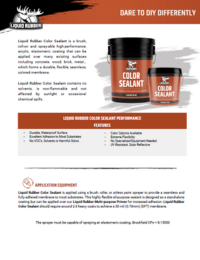 Technical Data Sheet
Color Sealant
Get the technical details you need.
Technical Data Sheet
Color Sealant
Get the technical details you need. Coverage
Color Roof Sealant
Coverage
Color Roof Sealant


Our team of experts are standing by to help make sure your project is a success.


 Free Returns
 10 Year Warranty
 Your cart is empty.
Tell us about your project & we’ll give you the right guidance & products to get the job done.


